Under the disguise previously described, we bravely set off once more, because there are so many beautiful, historic, unspoilt places to visit within a reasonable car journey from here.
Gary had meticulously planned a trip to La Petite Camargue. Our first stop was in La Grande Motte with its extraordinary 60’s architecture. I loved this town and don’t agree with those who say the buildings have not stood well against the ravages of time.


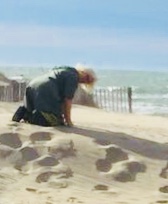
(No Gazzie I’m not making a sand castle I’ve fallen over. Stop taking the damned photos!)


Gary had planned our day to perfection. He knows the area because when he was hitch hiking as a student he was picked up outside Paris by three students of Romany heritage. They drove him all the way through France, feeding him and sleeping on beaches. When they got into the Camargue they invited him to the family wedding they were attending in Ste. Marie de la Mere.
We visited this seaside town, purported to be the capital of the Camargue and certainly the spiritual home of Europe’s gypsies. Of course, out of season, almost everything was closed, which lent the town a ghostly air. Though a group of elderly gentlemen played a spirited game of Boules, mufflered up against the sea breeze.
We definitely want to return, possibly in May when gypsies from all over Europe return to Ste Marie for annual festivities. The town is dominated by huge statues of bulls and horses. These animals are central to the lives of the people of the Camargue.
We recounted this story at our French conversation class but didn’t know the French word for gypsy. We learned that a female gypsy is a Gitane, hence the iconic emblem on the cigarette packet. 
We Juliette Greco clones remember these: the Look; the smell; the cough.
In order to get to Ste Marie we needed to cross the Petit Rhône canal. We did this on the Bac du Sauvage or ferry boat. Completely free, the ferry plies its trade every half an hour during daylight hours. On a Wednesday in January, Gaz and I and Mistress R. Soul were the only passengers.


We started to make our way home as a fierce orange sun began its own journey towards the horizon. The wetlands around us tck tck tickered and slippy-slithered as the wildlife prepared, some to settle down for the night and others for a night out.
Behind the swathes of golden reeds the white Camarguaise horses snickered and gently hoofed the soft ground. Huge black bulls looked over their fences to see who had the temerity to disturb their twilight rituals.


We had opened our windows and it seemed to us that we, alone in all the world, at that precious moment, were privileged to be part of the greatest show on earth.
We could not speak. There was no need. We had shared a day that had shown us the best that man and nature can offer. The memory will be there for us when man and nature are at their worst.
And then we will say,
“Remember?”
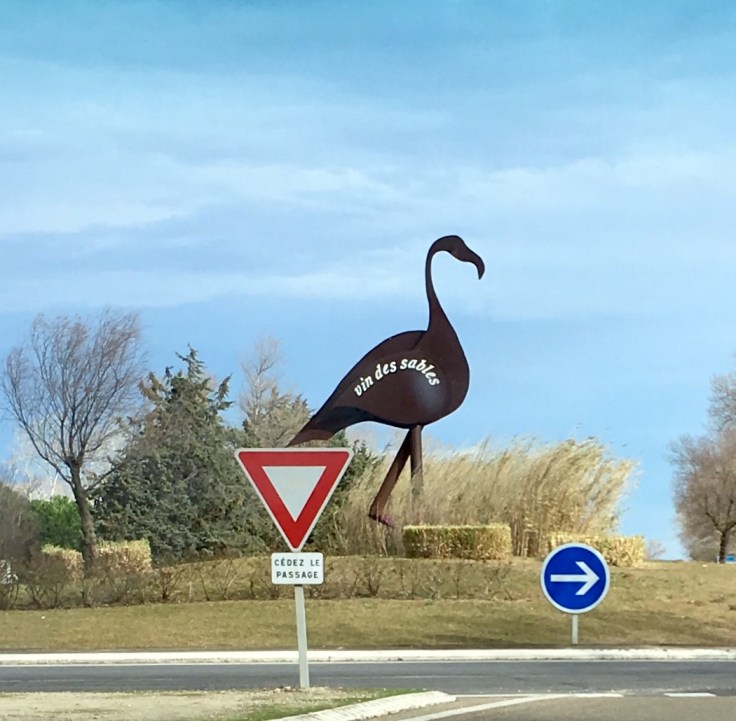
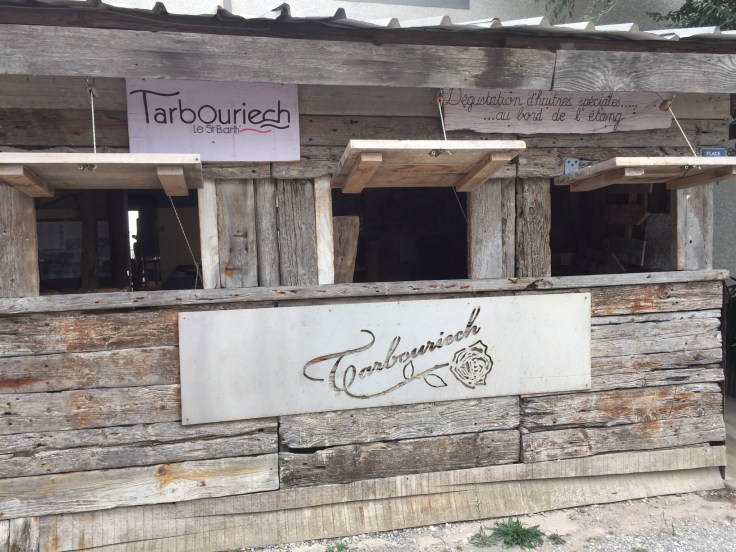
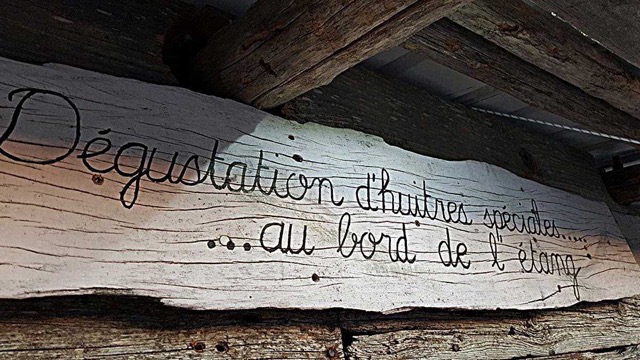
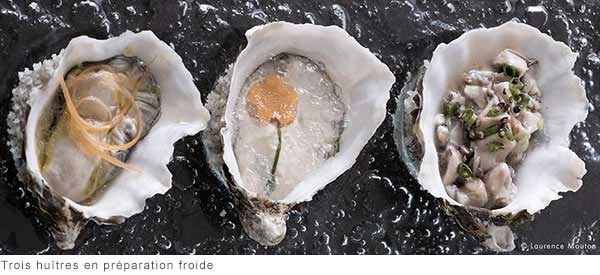 In this lovely part of France it seems that nearly all restaurants sell “ coquillages” in some form. The pretty seaside town of Mèze, for instance, has maybe a dozen restaurants around the harbour which seem only to serve seafood. It is worth noting that in the UK a dozen oysters costs the best part of £25. Here they would cost about £10. It is food (if you can call it such) for all, not for the few. So no need for pretension. When we visited Mèze, on a sunny Sunday lunchtime in January, most people were eating oysters and mussels. I can just about tolerate mussels in a garlic and cream sauce, but I eat with my eyes closed, because when once I looked at what was in the shell, it appeared to me to be the chopped-off ear of a rather hairy gnome.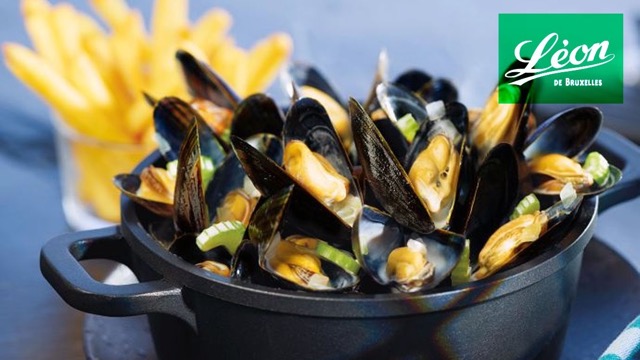



 The countryside became wilder as we drove higher, with white water surging out over granite boulders and bursting into a scintillating parabola against the sky. The ghostly shouts of last summer’s canoeists and white water rafters seem to echo around us as the air became thinner.




 Wrinkleys Gap Year